
Travel That
Restores the Planet.
Conservation travel isn't just about doing no harm — it's about actively participating in the healing of our world's most fragile ecosystems.
Scroll
Conservation travel isn't just about doing no harm — it's about actively participating in the healing of our world's most fragile ecosystems.
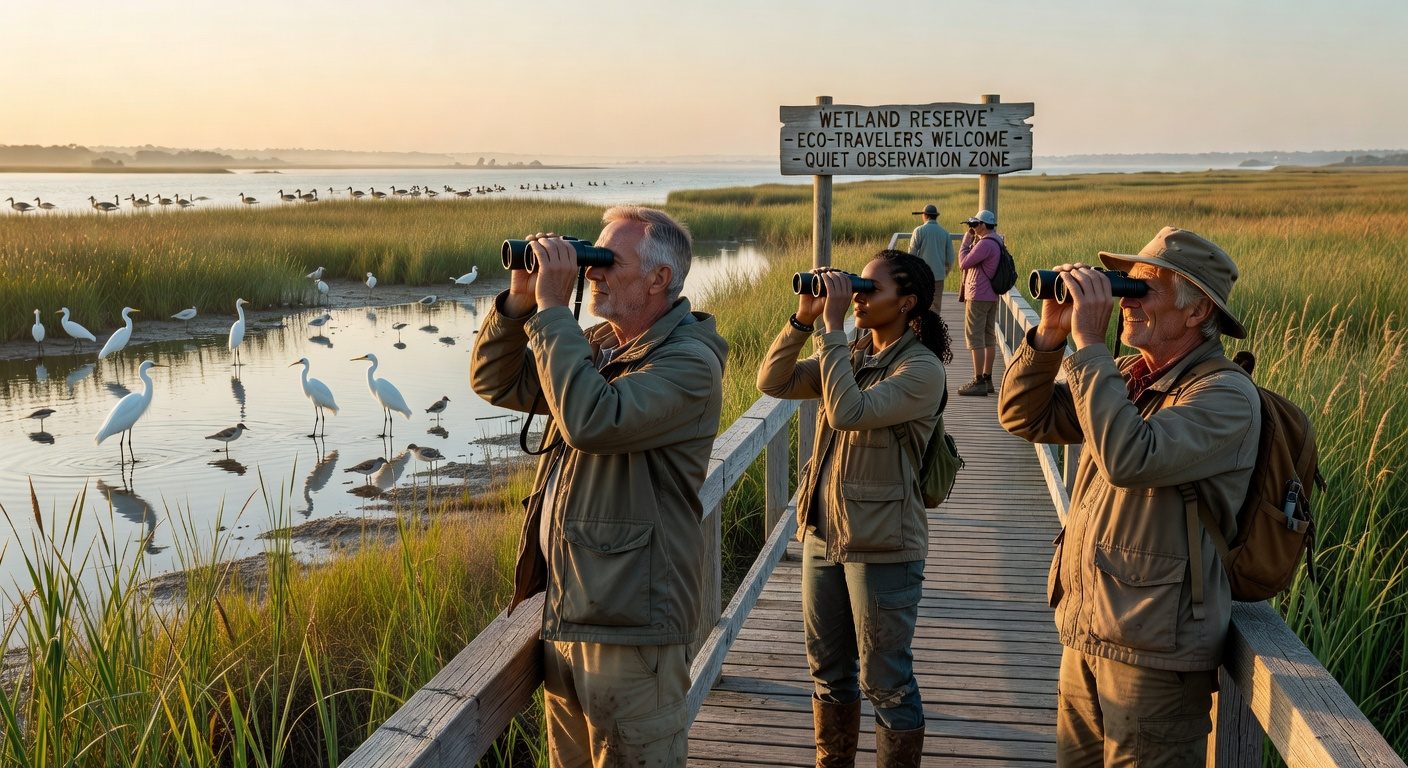
Conservation travel is a form of purpose-driven tourism where travellers contribute directly to habitat protection, species recovery, and community conservation projects.
Unlike conventional eco-tourism — which focuses primarily on minimising harm — conservation travel takes an active role. Travellers work alongside scientists, rangers, and local conservation teams to make a measurable positive difference.
"Conservation tourism can generate 3–5× more income for protected areas than conventional tourism while simultaneously improving ecological outcomes." — IUCN, 2025
Every Aqua Pump Pipe Filter Kit conservation programme is vetted for scientific rigour, ethical standards, and genuine community benefit. We partner exclusively with IUCN-approved and government-licensed conservation organisations.
Join scientists and rangers in the field. Each programme has been independently evaluated for ecological impact and ethical practice.
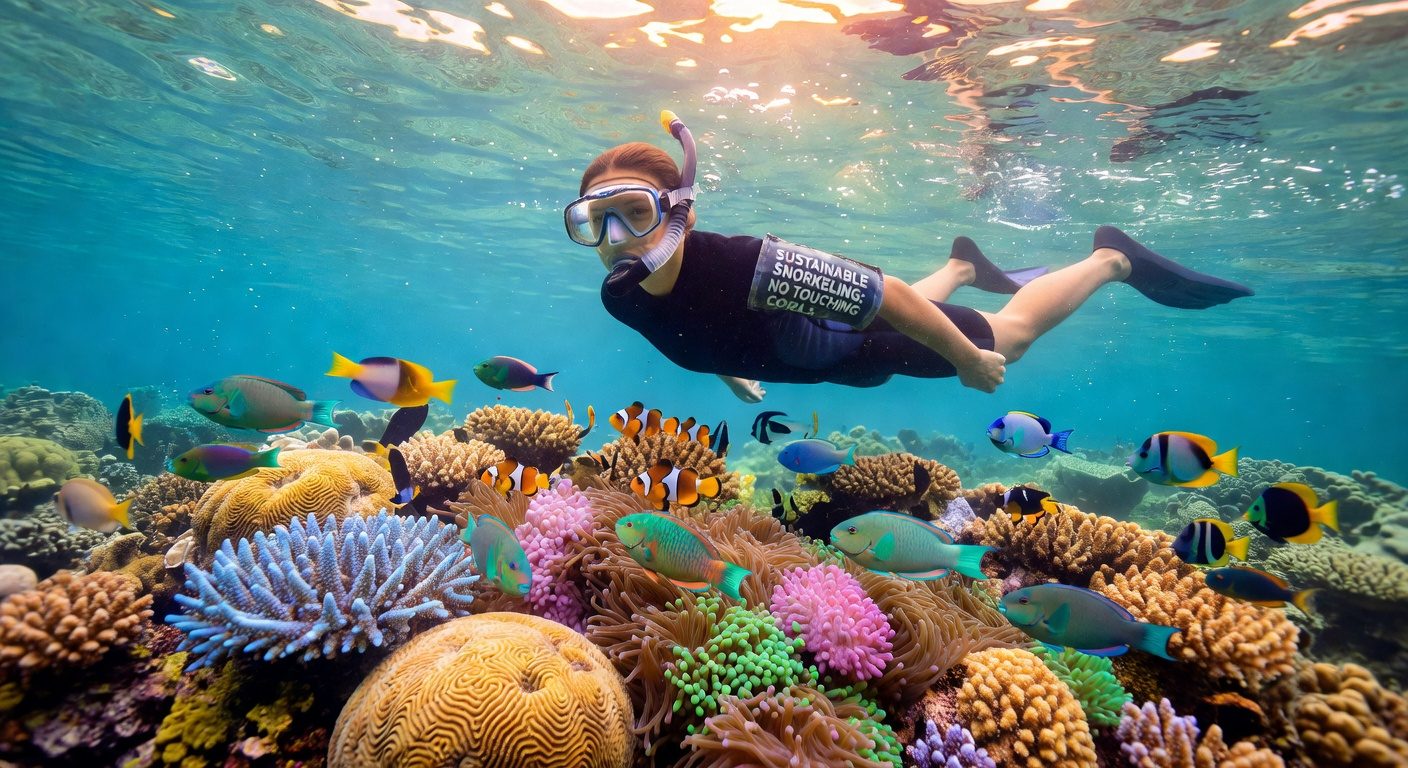 Marine
Participate in coral fragment cultivation, reef survey, and marine debris removal alongside accredited marine biologists.
 Forest
Plant native species, monitor wildlife corridors, and assist with camera trap data collection in deforested buffer zones.
Wetlands
Conduct waterbird censuses, banding programmes, and habitat assessment across the Okavango Delta wetland system.
These indicator species guide our programme selection — protecting them means protecting entire ecosystems.
Vulnerable — Population Recovering
Our marine programmes support acoustic monitoring studies that track migration route changes caused by shipping noise and temperature shifts in key breeding grounds.
Vulnerable — Declining
Participants in our Savannah Conservation programme contribute to GPS collar data analysis and human-wildlife conflict mediation in buffer communities.
Near Threatened — Stable
Nest monitoring expeditions in the Amazon canopy help track territory size, breeding success, and the impact of selective logging on apex raptor populations.
Critically Endangered — Declining
Night patrols protect nesting females from poaching. Travellers assist with clutch GPS tagging and hatchling data collection on protected beaches.
Spaces are strictly limited to ensure minimal ecosystem impact. Complete the form and our programme coordinator will contact you within 48 hours.